The Hidden Costs of Underpaying Creative Talent
Underpaying may save money on paper—but it costs more in morale, quality, and long-term retention. Here’s why fair pay isn’t a perk—it’s a studio investment.
The Budget Trap
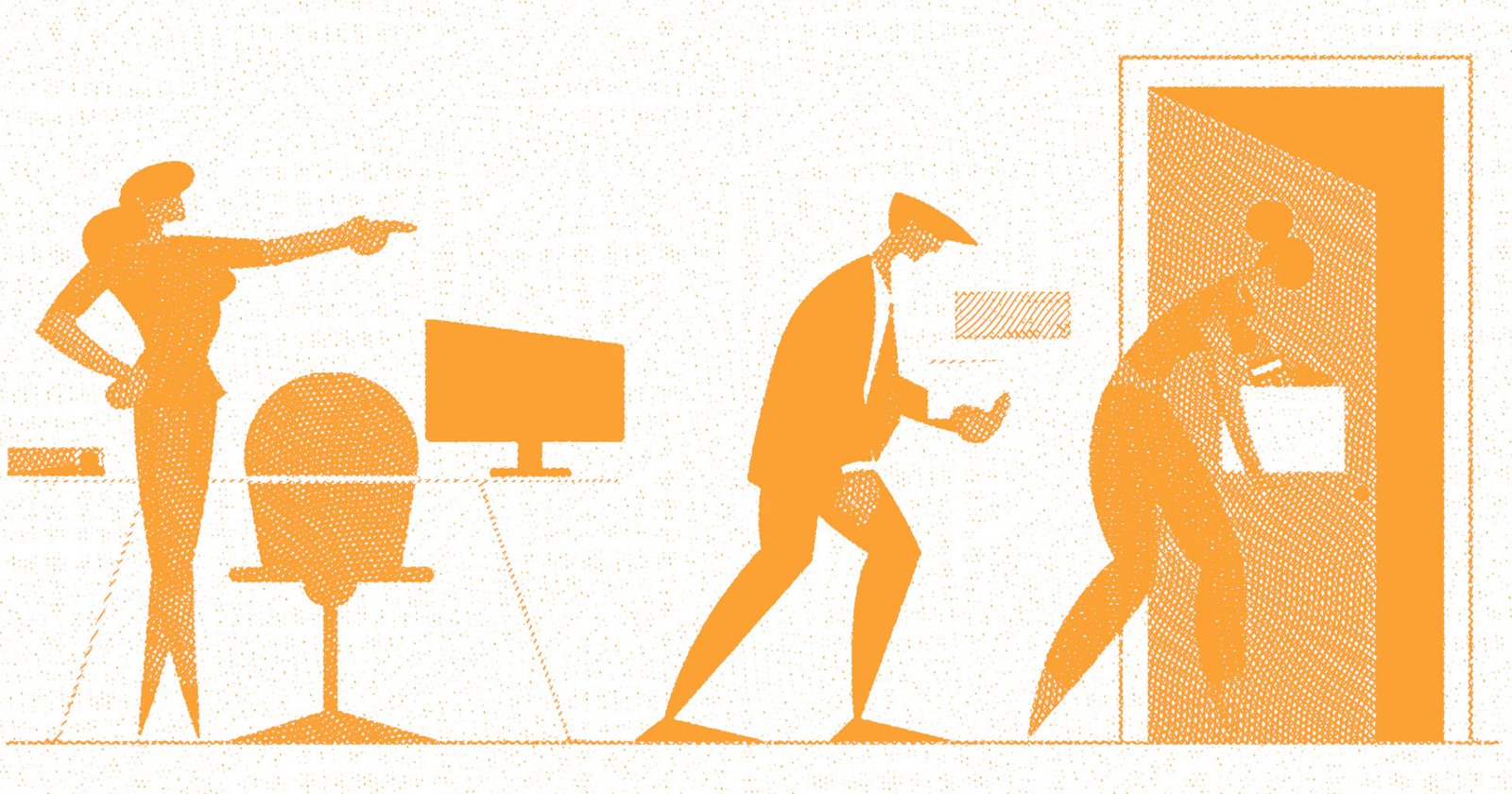
When margins feel tight, salaries seem like the biggest lever. But underpaying—especially in architecture and design—has ripple effects. Talent leaves. Culture suffers. Reputations fade. And the cycle starts again.
It’s easy to rationalize with phrases like “they’re still learning” or “they’re lucky to have this opportunity.” But when compensation doesn’t match contribution, studios lose more than money—they lose momentum.
Key Takeaways
Underpayment leads to faster turnover and higher rehiring costs.
It signals misalignment with market standards and studio values.
Top talent notices—and avoids—studios with poor compensation reputations.
Low pay limits who can afford to stay, reducing diversity.
Pay reflects respect—when it’s missing, trust erodes.
Turnover Is More Expensive Than You Think
Losing a designer doesn’t just cost their salary. You lose:
Institutional knowledge
Team cohesion
Project continuity
Time spent onboarding and retraining
Estimates: The true cost of replacing a creative team member can be 1.5–2x their salary.
And it’s not just financial—it’s emotional. Every departure impacts morale, stretches team members, and delays deliverables. Multiply that by multiple exits, and your studio becomes a revolving door.
Morale Drops, Even If People Stay
Underpaid team members may not leave immediately—but they often:
Withdraw from collaboration
Stop contributing new ideas
Burn out faster
They also stop advocating for your studio. Engagement drops. Peer recommendations fade. Passive disengagement is quieter than quitting—but just as damaging.
Reputation Spreads
The AEC world is small. Word travels.
Designers talk to each other.
Salary forums and anonymous surveys make underpayment public.
Once a studio is known for low pay, top talent stops applying.
And platforms like Glassdoor, Archinect, and even WhatsApp design groups make reputation management harder to control.
Real Example: One boutique firm in Berlin posted four jobs in six months but struggled to hire. The community had flagged their below-market pay. Applicants dried up—even though the work was award-winning.
Diversity Takes a Hit
When pay is low:
Only those with financial safety nets can afford to stay
Entry-level designers with debt or caregiving responsibilities leave the field
First-gen, BIPOC, or international talent face disproportionate impact
Pay equity isn’t just a fairness issue—it’s a pipeline issue. Underpayment quietly filters out brilliant, diverse talent before they can even begin.
Underpayment Is a Leadership Problem
If pay isn’t matching the level of work, responsibility, or skill required, it’s not a budget issue—it’s a strategy issue.
Leadership questions to ask:
Are we relying on goodwill to make up for wages?
Have we benchmarked our salaries in the last 12 months?
What assumptions are baked into our pay strategy?
Studios that underpay often do so reactively. Strategic firms tie compensation to clarity, not crisis.
The Slow Creep of Studio Instability
When underpayment becomes the norm, studios face:
A revolving door of talent
Low institutional memory
Poor mentorship pipelines
Increased dependence on overworked leads
What starts as a cost-saving measure ends as a structural risk. You can’t scale with instability.
Clients Feel It Too
Underpaid teams:
Miss deadlines from burnout or bandwidth loss
Deliver less-polished work due to constant retraining
Push back on scope creep less effectively
Clients notice turnover. They notice inconsistency. And over time, they lose faith. The brand you’ve built suffers not from lack of vision—but from lack of continuity.
What Fair Pay Actually Signals
You value your team’s time and contribution
You understand the market
You’re building for longevity, not just budget wins
You want the best ideas, not just the cheapest labor
Fair pay isn’t just compensation. It’s culture. It tells your team: we see you, we need you, we’re building this together.
But We Can’t Afford to Pay More…
If that’s true, it’s time to revisit:
Scope and fee structures
Staffing models (e.g., fewer but more senior contributors)
Project selection
Studio overhead and operations
Tips:
Reduce churn costs by paying retention bonuses
Rethink timelines to avoid rush hiring
Collaborate with clients to value design properly
Raising pay may feel impossible now—but failing to plan for it guarantees deeper problems later.
What You Can Do Right Now
Audit your current pay by role, identity group, and level
Use public benchmarks like the AIA Salary Survey or Archinect Poll
Create salary bands tied to role—not negotiation
Share your compensation philosophy in job posts
Add pay equity as a KPI in leadership reviews
Bonus: Invite team input. Transparency around how pay is set builds trust—even before the numbers change.
The Pay vs. Perks Illusion
Some studios try to offset low pay with perks:
Studio lunches
Creative off-sites
Free software or training access
While these are valuable, they’re not a substitute. Perks without pay feel performative—especially in times of inflation and housing pressure.
Quote to remember: Perks inspire. Pay stabilizes.
Red Flags to Watch For
Roles with high scope but entry-level titles
Tasks or hours exceeding compensation tier
“We’re like a family” narratives used to excuse underpayment
Missing or vague salary info in job posts
If any of these are part of your hiring language, reconsider. Candidates are noticing—and opting out.
Moving From Reactive to Proactive
Fair pay doesn’t happen by accident. It takes:
Clear values
Operational systems
Ongoing benchmarking
Willingness to revise
Start by writing down your compensation philosophy. What do you believe? What do you reward? What do you want people to feel when they open their offer letter?
Then align your practice around it.
Final Word
Pay is more than a number—it’s a signal. When you underpay, you don’t just risk losing staff. You risk losing culture, momentum, and the creative edge your studio was built on.
Fair pay is a design decision. One that shapes who stays, who applies, and who believes in your vision.
Investing in it isn’t a cost—it’s your most strategic commitment.